Editorial Health Notes · Men Over 50
How an Old Mediterranean Ritual Built Around Honey and Gelatin Quietly Shapes One Man's Morning Routine After Fifty
Long before wellness became an industry, Honey and gelatin appeared side by side in kitchen rituals passed between generations. This page simply explores where that pairing came from, why some households still keep it, and what editorial readers over fifty tend to ask about it.
What Changes Quietly After Fifty
Long before anyone frames it as a health concern, the shift shows up in small, private ways — a morning that feels heavier than it used to, an old routine that stops delivering what it once did. Editorial readers over fifty describe four patterns most often, and none of them is a diagnosis. They’re simply the backdrop against which a much older ritual, built around Honey and gelatin, tends to resurface.
Mornings Feel Different
The first hour after waking used to run on its own momentum. For many men past fifty, that momentum has to be found on purpose now, which is often the point where an old ritual involving Honey and gelatin gets rediscovered rather than invented.
Rest That Doesn't Land the Same
Sleep can still happen and still feel incomplete. Readers describe waking at the same hour they always have, just without the same sense of having actually rested.
A Body That Feels Less Familiar
Nothing dramatic — just a slower conversation between effort and energy, the kind that makes old habits worth re-examining rather than repeating on autopilot.
Old Routines, New Questions
Habits that once required no thought now invite a second look. That curiosity is usually what leads someone back to traditions their grandfather kept without ever explaining why.
A Three-Part Ritual, Explained
The ritual isn’t complicated, which may be exactly why it survived. It follows a simple rhythm: a pause, a pairing, and a wind-down — each step observed rather than measured, passed along kitchen to kitchen rather than published in a manual.
Step One: The Morning Pause
Before the day’s obligations take over, there’s a deliberate few minutes set aside — no screens, no rush, just a quiet acknowledgment that the body is starting the day on its own terms.
Step Two: The Honey and Gelatin Pairing
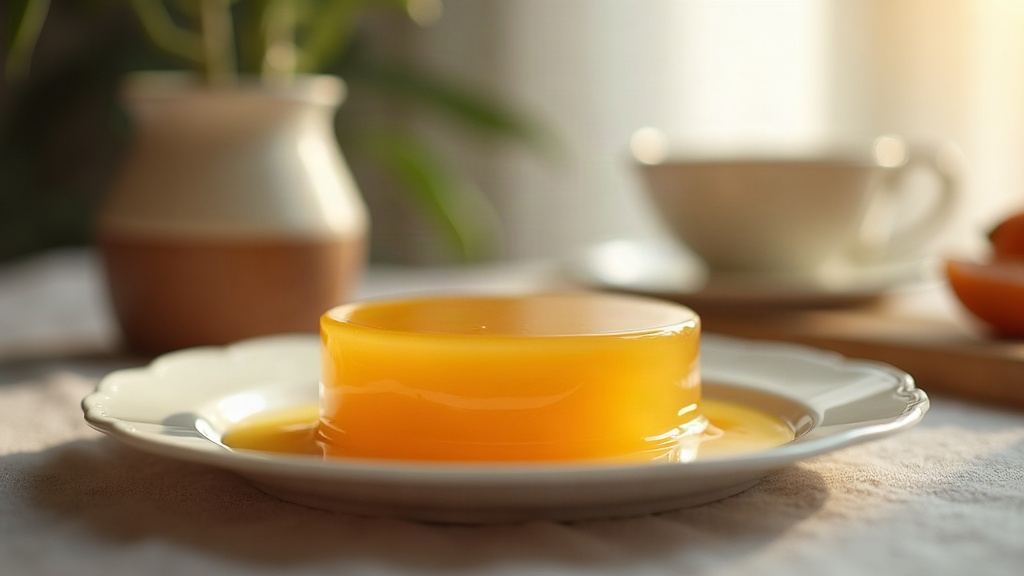
This is the part most associated with the tradition itself: a small, unhurried combination of honey and gelatin, prepared the same simple way it has been prepared in Mediterranean households for generations.
Step Three: The Evening Wind-Down
The ritual isn’t only a morning habit. Many who keep it describe a matching evening pause, treating the day as a full circle rather than a single isolated routine.
Myths and Facts Readers Ask About
Kitchen traditions collect stories the way old furniture collects layers of paint. Here are three claims worth separating from what’s actually known.
Honey and gelatin is a modern wellness trend invented for marketing.
The pairing appears in Mediterranean household traditions that long predate any wellness industry, passed along informally rather than sold.
Traditions like this one are only kept by people chasing a specific result.
Many readers describe keeping the ritual simply because it was part of a routine they grew up watching, not because of any promised outcome.
If a habit isn’t backed by a formal study, it isn’t worth understanding.
Cultural and culinary traditions can be worth examining on their own terms — as history and habit — without needing to be framed as clinical evidence.
Where This Ritual Comes From
Along parts of the Mediterranean coast, honey and gelatin were kitchen staples long before either ingredient had a name recognizable to modern nutrition science. Honey was kept for its density and shelf life; gelatin came from the slow, unhurried practice of simmering bones and connective tissue until nothing was wasted. Combining the two wasn’t a formal recipe so much as a habit born of practicality — a way to use what was on hand, prepared the same unremarkable way across generations. It traveled through families the way a lullaby does: without instructions, just repetition.
What stands out isn’t the ingredients themselves but the ritual around them — the pause, the preparation, the repetition. The tradition survived because it asked so little of the people who kept it.
Signs Worth Paying Attention To
01 · Persistent Fatigue
Tiredness that doesn't resolve with a full night's rest is worth mentioning to a healthcare professional rather than working around indefinitely.
02 · Noticeable Sleep Disruption
Frequent waking or difficulty falling asleep over several weeks is a pattern worth discussing rather than dismissing as normal aging.
03 · Unexplained Changes in Appetite
A shift in appetite that lasts more than a few weeks deserves a conversation with a qualified provider.
04 · Joint or Muscle Stiffness That Lingers
Occasional stiffness is common; stiffness that doesn't ease with movement over time is worth flagging.
05 · Mood Shifts That Feel Out of Character
Persistent changes in mood or motivation are signals worth bringing to a professional, not something to self-diagnose.
06 · Reduced Interest in Usual Activities
A gradual withdrawal from routines once enjoyed is a pattern worth naming out loud to someone qualified to help.
Reader Notes From Men Who Tried the Ritual

Illustrative composite examples. Individual results vary. Not a guarantee.
Frequently Asked Questions
No. This page discusses a traditional pairing and its cultural history. It is not presented as a treatment, cure, or medical intervention of any kind.
It draws on household traditions from parts of the Mediterranean where honey and gelatin were both common kitchen staples, combined informally across generations.
This content isn’t a recommendation to change any existing routine. Any changes to habits or diet should be discussed with a qualified healthcare professional first.
This page reflects cultural and historical context rather than clinical research findings. No specific study is being cited or implied here.
The framing reflects the audience most often drawn to this kind of editorial content, not a claim that the ritual is exclusive to any age group.
This is editorial content that may include sponsored links. Any related offers are clearly disclosed in the footer of this page.
A licensed healthcare professional familiar with your personal health history is the right person to consult before adjusting any routine.
Curious Where the Full Story Leads
This page has walked through the history, the questions, and the cautions worth knowing. If you’d like to keep reading about how this ritual is discussed in more detail, the next page continues where this one leaves off.
Advertising Disclosure: This page contains sponsored content and affiliate links. We may receive compensation if you click a link or make a purchase through links on this page. This does not affect the price you pay and helps support the continued publication of independent editorial content.
Content Disclaimer: This content is provided for educational and informational purposes only. It has not been evaluated by the FDA. Nothing on this page is intended to diagnose, treat, cure, or prevent any disease or medical condition. Always consult a qualified healthcare professional before making any changes to your diet, routine, or health regimen.
Results Disclaimer: Individual results and experiences vary. Testimonials and reader notes shared on this page are illustrative and not a guarantee of any particular outcome for any individual.
© 2026 · All Rights Reserved · Privacy Policy · Refund Policy · Shipping · Contact · Disclaimer